

Luxury Handcrafted Home Decor UK Online: A Guide to Buying Pieces That Actually Last
Walk into most homeware shops on a British high street and you'll notice the same thing over and over: the cushions look identical to the ones down the road, the throws are made from the same three fabrics in slightly different colours, and nothing in the room has a story behind it. That sameness is exactly why more people across the UK are searching for handcrafted home decor instead. Not because it's trendy, but because a hand-blocked print or a hand-tailored tent panel simply can't be replicated by a factory press, and once you've lived with something made that way, the machine-printed version stops feeling like enough.
What "Handcrafted" Actually Means, and Why It's Worth Paying For
The word gets thrown around a lot, so it helps to know what it's actually describing. Real handcrafted textiles go through processes like block printing, where a carved wooden stamp is dipped in dye and pressed onto fabric by hand, one section at a time. No two lengths of fabric come out quite the same, which is the opposite of what a factory print run is designed to do.
That difference shows up in the finished piece. A hand-printed cushion cover has slight variations in the pattern that give it depth a digital print can't match. Hand-tailored garden umbrellas and Indian tents involve stitching and finishing done by people who've spent years learning the craft, not a machine following a template. You're paying for the skill, the time, and the fact that someone's hands actually touched every part of it before it reached you.
Where Handcrafted Decor Comes From
A lot of the UK's best handcrafted home decor has roots in Indian textile traditions, which have centuries of history behind techniques like block printing, embroidery, and natural dyeing. Brands working directly with artisans in India, rather than sourcing from mass manufacturers, tend to produce pieces with a level of character that's genuinely hard to find elsewhere. Titania Living is a good example of this approach, working with skilled makers to produce garden umbrellas, soft furnishings, and tents rooted in traditional Indian craftsmanship but designed for modern British homes and gardens.
Building a Home Around Handcrafted Pieces
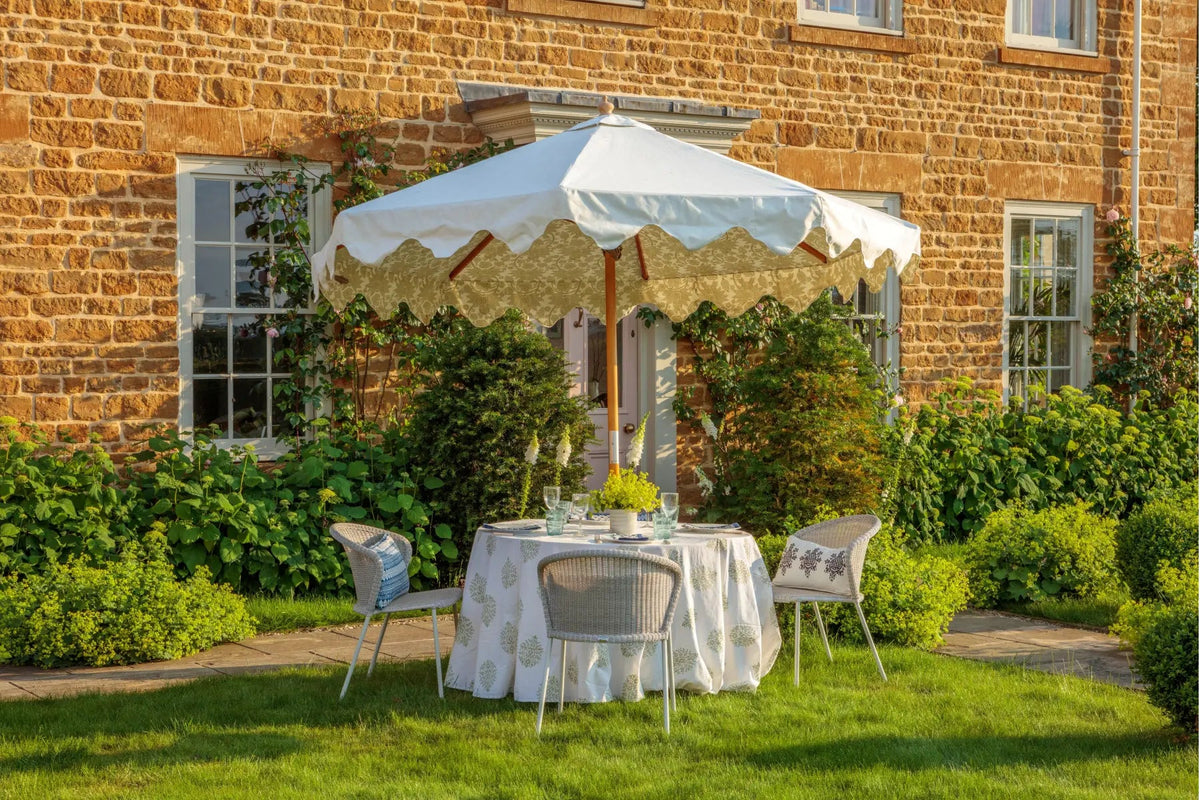
The easiest place to start is usually outdoors, since British gardens tend to be where the most obvious style statement can be made. A hand-block-printed garden umbrella does more for a patio or terrace than almost any other single purchase; it's the first thing guests notice, and it turns an ordinary outdoor table into somewhere people actually want to sit.
From there, soft furnishings like cushions and throws are the fastest way to bring the same craftsmanship indoors. They're low-commitment compared to furniture, but they change the feel of a room almost instantly, especially when the pattern and colour are pulled through from a piece you already own outside.
For anyone who entertains, picnic and dining pieces, printed napkins, table linens, and aprons are worth having on hand. There's a noticeable difference between setting a table with plain white linen and setting it with something that has real pattern and craft behind it.
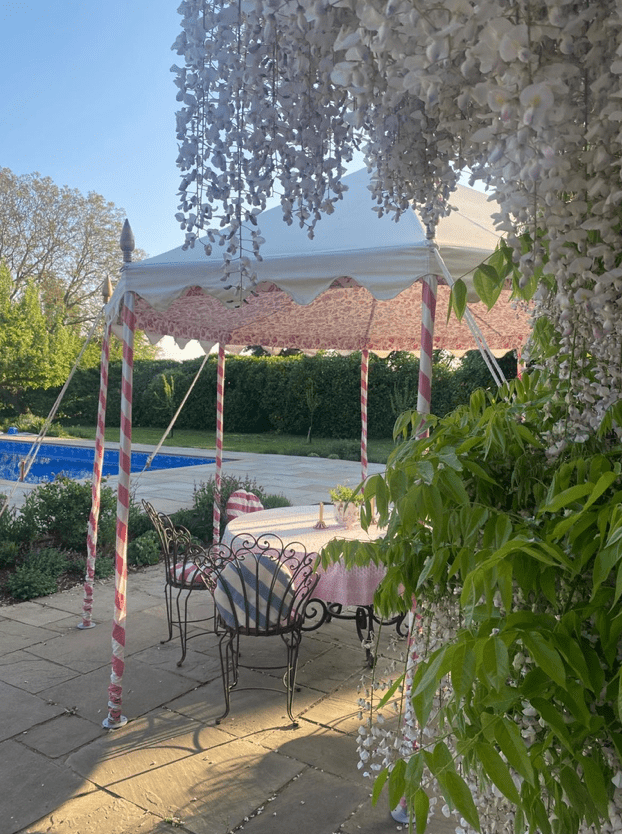
If you're planning anything larger, a wedding, a garden party, or a summer event, Indian tents bring a completely different atmosphere to outdoor entertaining than a standard marquee. They're the kind of piece that gets remembered long after the event's over.
And for the bedroom, hand-printed bed and bath linens bring the same craftsmanship into the most personal room in the house, while a handcrafted wardrobe piece adds character to a space that's usually the last to get any design attention at all.
What to Check Before You Buy
A few practical things separate real handcrafted decor from pieces that just use the word loosely in their marketing.
Look at the materials first. Natural fibres like cotton and linen take dye and printing far better than synthetic blends, and they tend to age more gracefully too. Check whether the brand names the specific craft technique used, block printing, hand embroidery, or hand tailoring, rather than vague terms like "artisan-inspired". And look for brands that are transparent about who's actually making the pieces and where. A company that can speak clearly about the makers behind its products usually has a genuine supply chain behind it, not just a marketing angle.
Caring for Handcrafted Textiles
Handcrafted pieces generally need a bit more care than mass-produced homeware, but nothing complicated. Natural dyes can be more sensitive to harsh detergents and high heat, so a gentle wash cycle and air drying will keep colours holding their depth for years rather than fading after a few months. Garden umbrellas and outdoor textiles benefit from being brought in or covered during extended wet weather, since natural fibres handle occasional rain fine but don't do well left permanently damp. A little care goes a long way toward making sure a piece you've paid a premium for actually earns that premium back over time.
The Real Value of Buying Handcrafted
Mass-produced decor gets replaced. It fades, it goes out of style, it starts to look like everything else in every other living room on the street, and eventually it ends up in a skip. Handcrafted pieces tend to go the other way. They develop character the longer you own them, and because each one was made individually rather than pressed out by the thousand, they don't date the way trend-driven decor does. For a British home, where the weather rarely cooperates and the light changes constantly through the seasons, a garden umbrella or a set of hand-printed cushions that were actually made by someone, rather than a machine, tends to be the piece people remember walking into the room.